
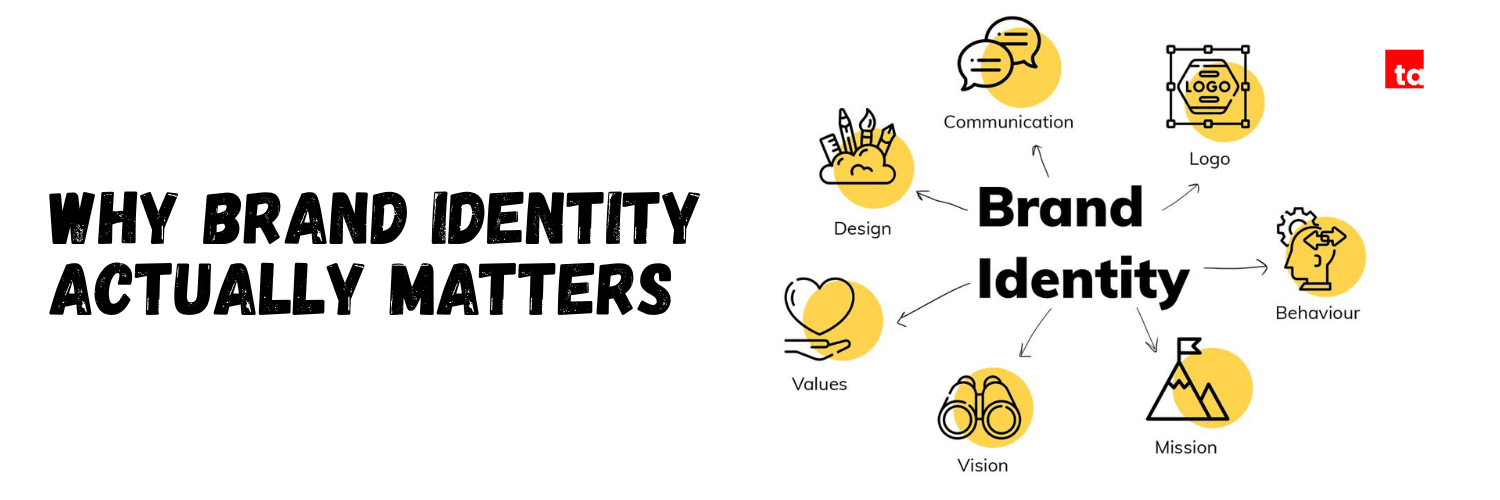
Founders and Entrepreneurs live so deep inside their product that every nuance makes complete sense to them. But translating a complete, pristine internal vision into something a customer instantly grasps is a massive leap it’s easy for a perfect circle in your mind to register as a triangle to the outside world. When that internal clarity doesn't translate seamlessly, branding decisions start to drift. To understand more on how to bridge this gap, look at how different brands handle or have handled the tension between who they know they are and how the market perceived them.
Jaguar is a good place to start. When it unveiled its 2024 rebrand, stripping away the century-old growler logo for a minimalist pink identity, the internet erupted. But here's what most critics missed: Jaguar has done this before. The 1961 E-Type, the car Enzo Ferrari himself called "the most beautiful car in the world," was itself a radical departure in its time. So was the 1968 XJ6. Bold reinvention isn't new to Jaguar; it's arguably part of Jaguar's actual DNA. The backlash wasn't really about pink. It was about a brand moving faster than its audience was ready to follow.
Myntra tells a different story. In 2020, a single complaint about its "M" logo's color placement led to a swift, defensive redesign, no fight, no real internal deliberation, just damage control. Functional, but reactive. A brand responding to noise rather than acting from conviction.
Then there's The Hindu. One of India's oldest newspapers, redesigned seven times since 1878, yet still unmistakably itself. When Garcia Media rebuilt its look in 2005, Chairman N. Ram put it simply: the goal was staying loyal to its core values while still evolving. Editor Suresh Nambath calls their whole approach curation, pulling readers deeper instead of shouting louder. That's design used with intention, not panic.
Three brands, three completely different relationships with change. One moved boldly and got misunderstood. One moved reactively and avoided a fight. One moved deliberately and stayed exactly itself, decade after decade.
Here's the real takeaway for anyone building a brand today: your logo, your colors, your visual identity, none of it is decoration. It's the fastest signal your customer receives about who you actually are. Get it right, and it becomes instant recognition. Get it wrong, or worse, get it undefined, and you're gambling with the one asset that's supposed to make people trust you before they've read a single word.
Here's where it gets tricky for a lot of founders: knowing your brand matters is one thing. Obsessing over it at the expense of everything else is another problem entirely.
In 2013, Yahoo CEO Marissa Mayer rolled out a 30 Days of Change campaign, unveiling a new logo variation every single day for a month before landing on a final design. It generated buzz, plenty of it, but by most honest accounts, that buzz never translated into meaningful business results. Interestingly, public polling actually preferred an earlier version over the one Yahoo eventually kept. All that energy, spent perfecting a wordmark, while the company's core product challenges, the ones that actually determine whether users stay or leave, sat completely untouched.
Then there's Tropicana, a cautionary tale every marketer should know by heart. In January 2009, PepsiCo redesigned Tropicana's packaging, replacing the iconic orange-with-a-straw image with a plain glass of juice. The new design was clean, modern, and, by most design standards, genuinely well-executed. It even came backed by a serious ad campaign. Consumers hated it anyway. Not because it looked bad, but because they couldn't recognize their own juice on a crowded shelf. Within two months: a 20% sales drop, roughly $30 million lost. By February 23rd, Tropicana quietly reverted to the original packaging, and within months, sales recovered right along with it.
Neither Yahoo nor Tropicana lacked design talent. What they lacked was a clear question answered before the redesign: does this change strengthen how our customer already recognizes and trusts us, or does it just look good in a boardroom?
This is the balance every CEO and founder actually needs to strike. Brand identity matters immensely, but it was never meant to replace strategy. It's meant to express one. The moment visual polish becomes the goal instead of the outcome of clear thinking, you're no longer building a brand. You're just redecorating one, and hoping nobody notices the business underneath hasn't changed at all.
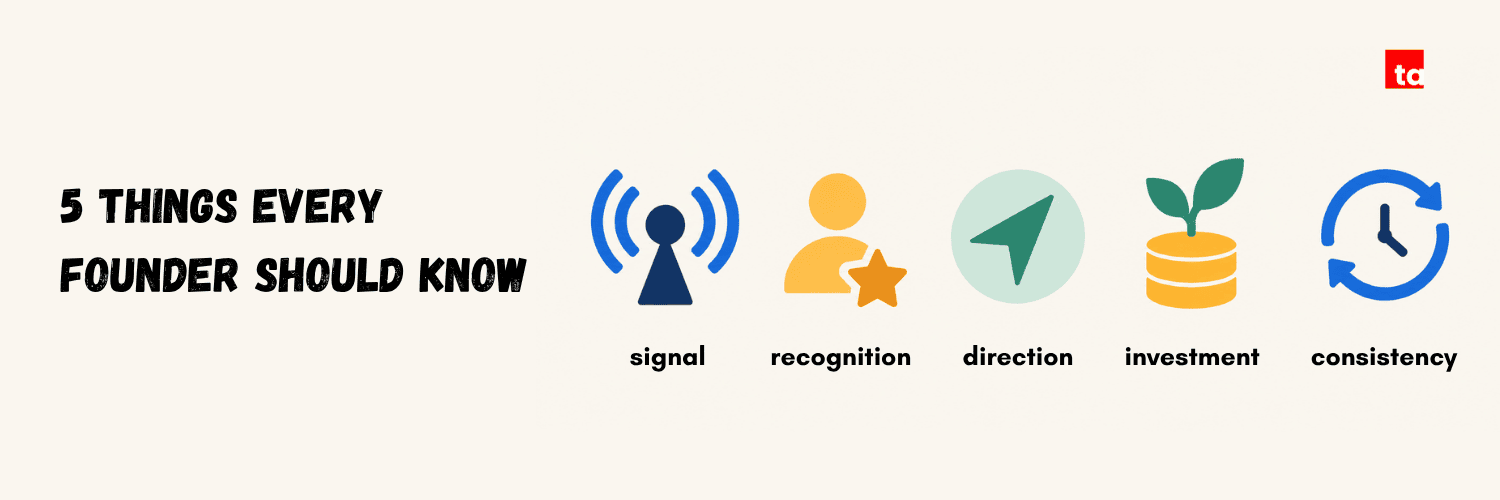
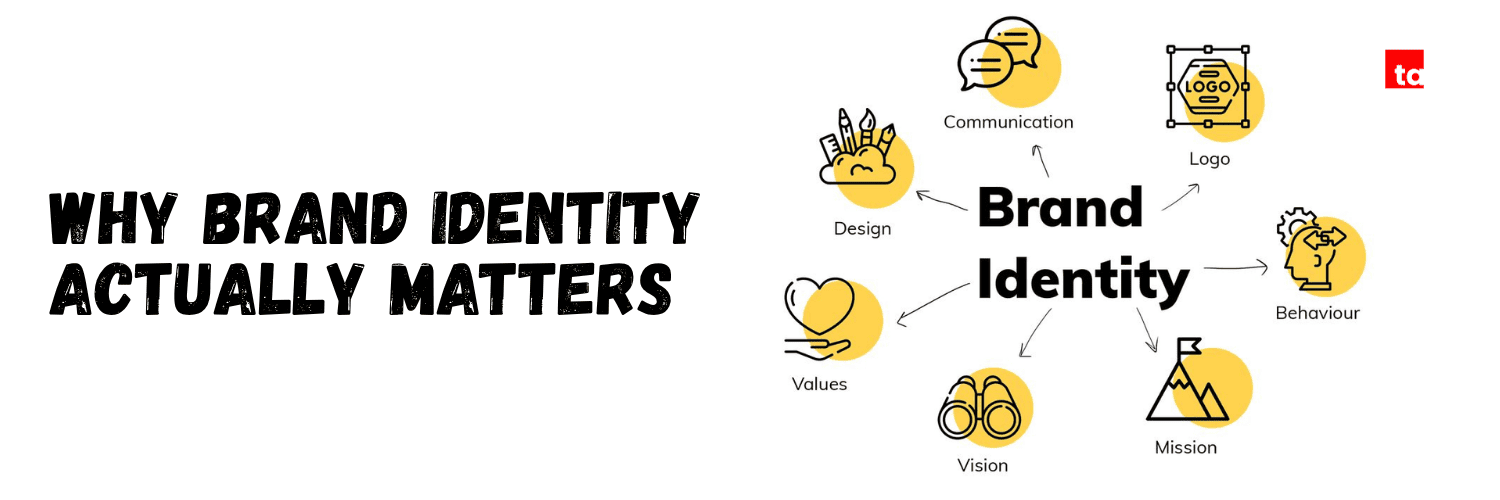
Brand identity isn't the logo. It's the logo, the color, the tone, and the consistency behind all three, working together so customers recognize you before they read a single word.
The pattern across every brand we've looked at so far comes down to this: know what you stand for first. Everything visual should follow from that, and grow stronger for it.

Pitch deck after pitch deck promises the exact same quick patch: a slick logo tweak here, a flashy campaign there, and a rapid timeline designed to make you feel like things are moving. It creates the illusion of progress, but it rarely moves the needle. A surface level refresh might look good in a presentation, but it completely bypasses the real work required to build a lasting brand.
The marketing companies worth working with don't start with execution. They start with a conversation, a real discovery session, digging into what you actually believe your business stands for, where that belief shows up consistently, and where it quietly falls apart. That gap between intention and execution is usually where the real problems live, not in the design file.
This is the choice every founder eventually has to make, whether they realize it or not: do you want someone who moves fast, or someone who moves right? Quick fixes feel good at the moment. A new palette, a refreshed logo, a campaign that ships by Friday. But speed without understanding the founder's story or consumer behavior tends to solve the symptoms while leaving the actual gap untouched, the same gap that shows up again in six months, dressed differently.
The alternative is slower by design. It means sitting with your business long enough to understand what's actually built to last versus what's just trending this quarter. It means asking difficult questions before proposing a single visual. That's the real decision founders need to make, when choosing a marketing partner: someone offering vitality, quick energy that fades fast, or someone building for sustainability, work that keeps standing long after the trend has moved on. Choose deliberately. Every brand asset you ship either compounds your equity or dilutes it into background noise. The branding partner you select shouldn't just execute your orders; they should protect your vision, refine your translation, and build something that outlasts the current growth cycle.
Want to see how we do it? Access our Brand Discovery Questionnaire.
The Buzzword Called Lead Generation and Why Your Business Needs It Now

Lead generation isn't a one-ad miracle. See how building trust first turned a nutraceutical brand's campaign into real, qualified leads.
Ranking on Google Used to Be Enough. Now There's a Second Game: GEO.

Ranking on Google used to be enough. Now ChatGPT and AI assistants decide too. Learn why GEO (Generative Engine Optimization) is the visibility game your business can't afford to skip.
The Brand Discovery Questionnaire: How to Uncover What Your Business Actually Stands For
Founders and Entrepreneurs live so deep inside their product that every nuance makes complete sense. Uncover how to translate your internal vision into instant customer clarity.
Marketing-Agency-Mysore: Why Local Expertise Beats Bangalore Templates

Mysuru is scaling fast — 4X city expansion, ₹80,000 Cr in investment. See why local businesses need a Mysuru-based marketing agency, not a Bangalore template.
Zoho-Powered Marketing: How CRM Automation Transforms Local Lead Generation

Struggling with lead leakage? See how Zoho CRM automation helps Mysuru businesses capture every Google Ads, Meta & WhatsApp lead — with real ROI data.
Social Media Management 101 for Local Businesses

Chasing viral trends isn't a strategy. See how structured social media management helps Mysore businesses build real, lasting local trust.