
Here's the Real Reason SEO Decides Who Gets the Customer, Not You
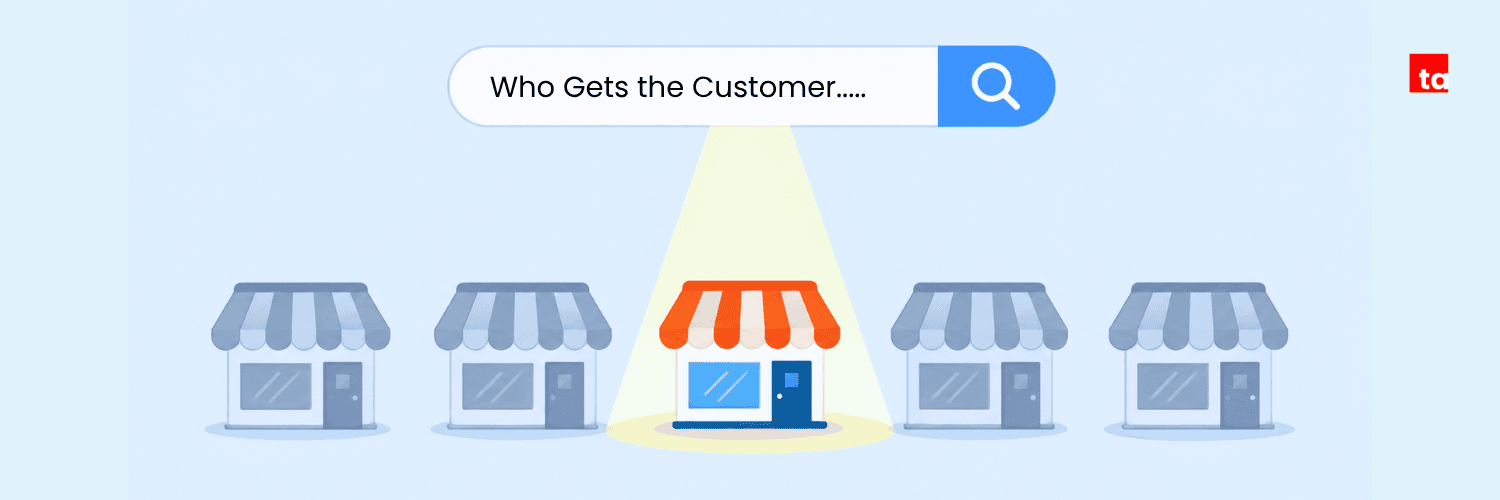
Think about the last time you needed a florist to send flowers to a friend, a pet clinic, or a new laptop. Where did you look first? Not a newspaper. Not a billboard. Not those ancient directory or ruins of a Just Dial either, which is where we once went for a quick list of people to help us. Then Google walked in and changed that for decades. You opened it, typed a few words, and it enthusiastically handed over a list of options. Google did the picking, and we picked from whatever showed up on the first screen. That's the entire game of SEO in one sentence: it decides who gets found, and who gets ignored.
The numbers back this up hard. Organic search still accounts for over half of all website traffic today, more than social media, paid ads, and referrals combined. SEO leads also convert far better than outbound efforts, closing at roughly 14.6% compared to just 1.7% for cold outreach. Across industries, businesses that commit to SEO are seeing a median return of 748%, real estate and financial services brands report the highest returns of all. One health tech app that overhauled its SEO saw a 10X jump in organic traffic and 6X more conversions within a year. A SaaS startup that mapped its keywords properly saw organic signups jump over 300%.
More than marketing trends, SEO is an infrastructure that keeps the businesses aiming for higher rankings. But where it's heading next is going to catch a lot of businesses off guard.
The SEO Gold Rush: Why Every Third Company Suddenly Calls Itself an Agency
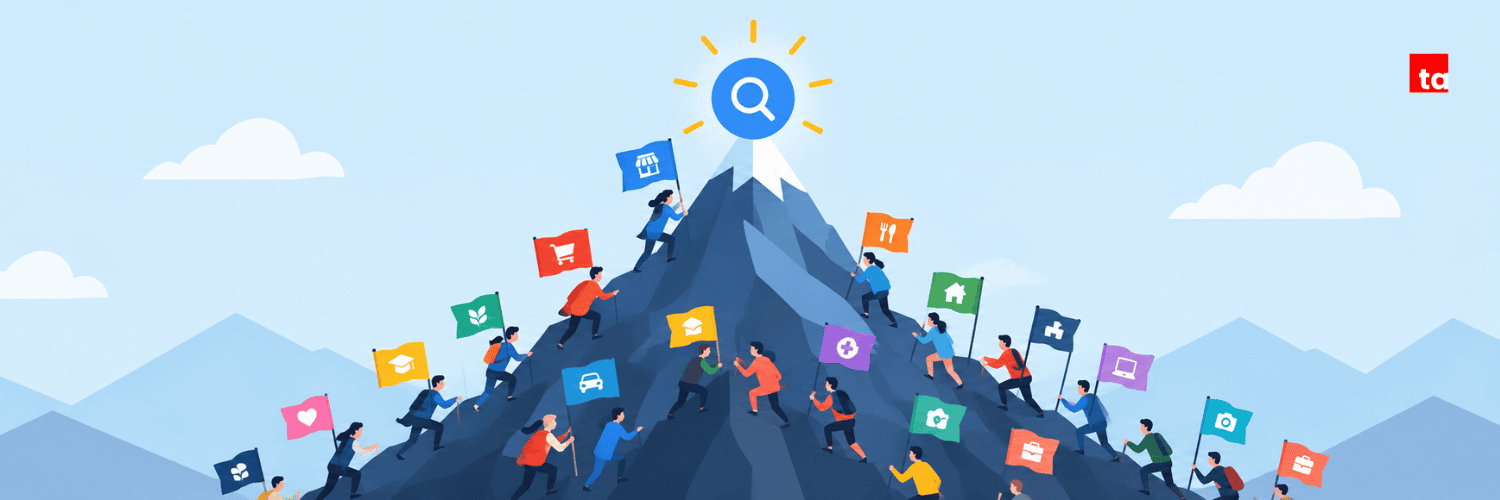
SEO didn't always look like this. While, "getting found on Google" meant stuffing a few keywords into a page and hoping for the best. Today it's a 1.2-1.8 billion dollar industry, with it's own audits, sprints, KPIs, and specialists, and that shift happened because the payoff became too big to ignore.
Once businesses realized organic search converts customers at almost zero cost per lead compared to running ads forever, everyone wanted in. And that's how India today has a crowded field of SEO providers, ranging from freelancers promising page-one rankings in 30 days, to full-service marketing agencies running year-long strategies. Google alone commands close to 98% of the search market in India, which means there's really one game in town, and thousands of businesses are fighting for the same handful of spots on page one. Honestly, I'm yet to meet a single person who scrolls to page two or three while searching. If you're not on search results page one, you might as well be wearing Harry Potter's invisibility cloak, because nobody can see you no matter how good your product is. It's not about your product anymore. The game is about visible or invisible
And that's how SEO bloomed. It was not about "just content" but about strategizing your visibility across the digital landscape. Instead of just chasing high-volume search terms, it became about mapping keywords to every stage of buyer's journey:awareness, consideration, decision and even relationship building at support services.It's the difference between attracting random traffic and attracting people who are actually ready to buy.
Ranking Isn't Optional Anymore, It's Survival
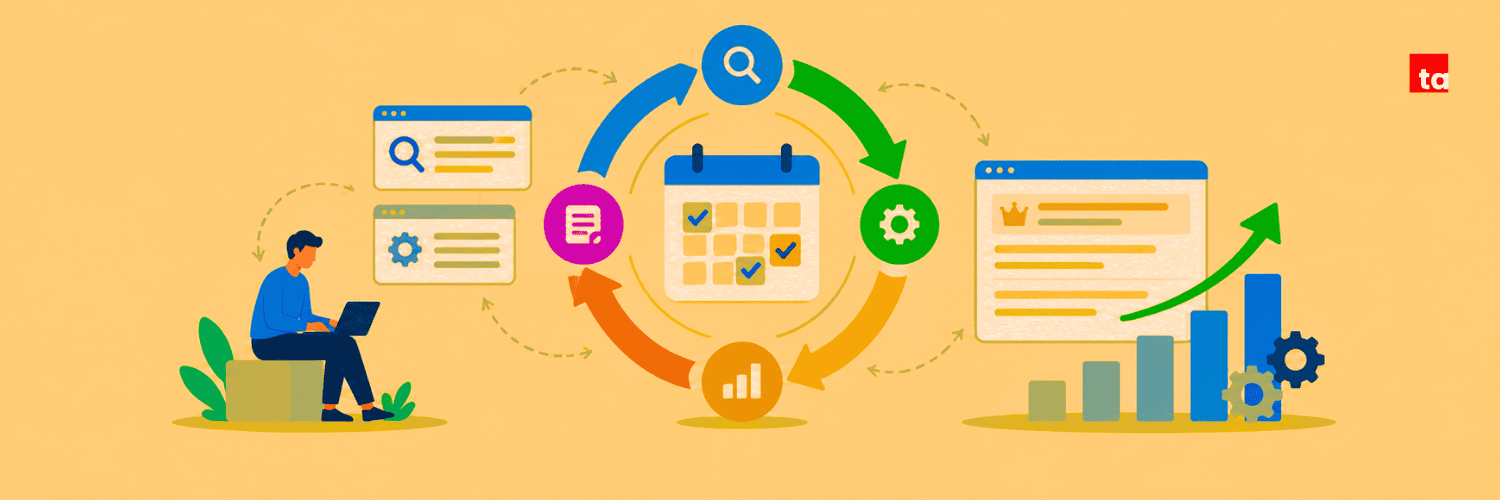
SEO isn't a one-time movie, it's a long running series. It's not a project you tick off a list, it's an ongoing system. And this part is where most business owners forget. They assume it's done and they're good to go. The businesses winning at it keep releasing new episodes.
The agencies getting real results run structured monthly cycles, technical fixes one sprint, content the next, link authority after that, constantly cross-checked against KPIs like organic traffic growth, keywords ranking in the top 10, referring domains, and actual leads generated, not just vanity traffic numbers. One diagnostics chain fixed a technical issue called keyword cannibalization, where two pages on their own site were quietly competing against each other for the same search term, and landed 29 keywords in Google's Featured Snippets as a result. That's the kind of detail that separates businesses that "do SEO" from businesses that actually benefit from it.
If your SEO strategy today is a WordPress plugin and a prayer, you're not organizing it, you're outsourcing hope. And that gap is only going to widen, because the game itself just added a second front.
We're Already Deep Into the GEO Era, Is Your Business Still Catching Up?
And for a long time, that made perfect sense.
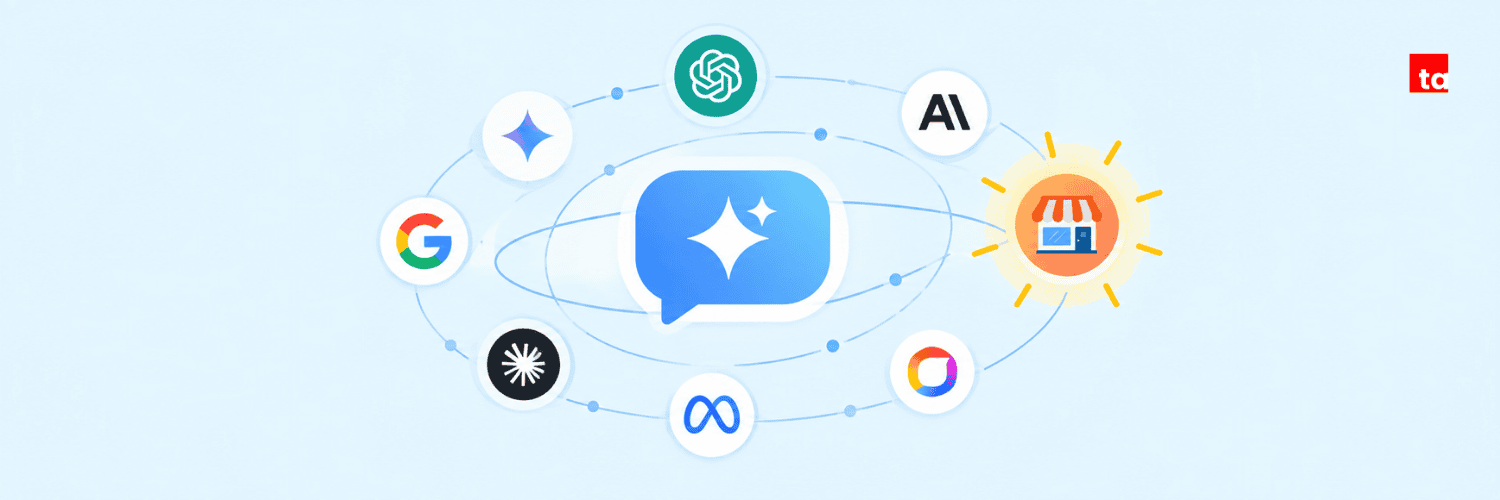
The scale of this shift is hard to overstate. ChatGPT alone processes an estimated 2.5 billion prompts every single day. Google's own AI Overviews grew their coverage of search results by 58% in just twelve months. Roughly 80% of consumers now rely on AI-generated answers for a meaningful chunk of their searches, and analysts at Gartner project traditional search volume could fall by 25% by the end of this year alone as more of that behavior shifts to AI chat interfaces. The GEO industry itself, practically nonexistent three years ago, is projected to grow more than eightfold by 2031.
The agencies getting real results run structured monthly cycles, technical fixes one sprint, content the next, link authority after that, constantly cross-checked against KPIs like organic traffic growth, keywords ranking in the top 10, referring domains, and actual leads generated, not just vanity traffic numbers. One diagnostics chain fixed a technical issue called keyword cannibalization, where two pages on their own site were quietly competing against each other for the same search term, and landed 29 keywords in Google's Featured Snippets as a result. That's the kind of detail that separates businesses that "do SEO" from businesses that actually benefit from it.
The goal is no longer to appear in a search result. The goal is now to become part of an answer. If a customer asks an AI assistant to recommend "I run a B2B company in Mysore. What kind of digital marketing partner should I work with for my brand and what should I look for?', and your business doesn't come as an answer, you don't just lose a click. You lose the customer before they ever see your website. Businesses that spent years building SEO rankings are now realizing all of that means very little if AI engines don't know they exist. If you haven't even started thinking about GEO yet, you're not behind by a little. You're behind on the exact channel where the next decade of customers will actually be searching.
How TekAxis Actually Runs SEO (No Guesswork, No Single-Tool Blind Spots)
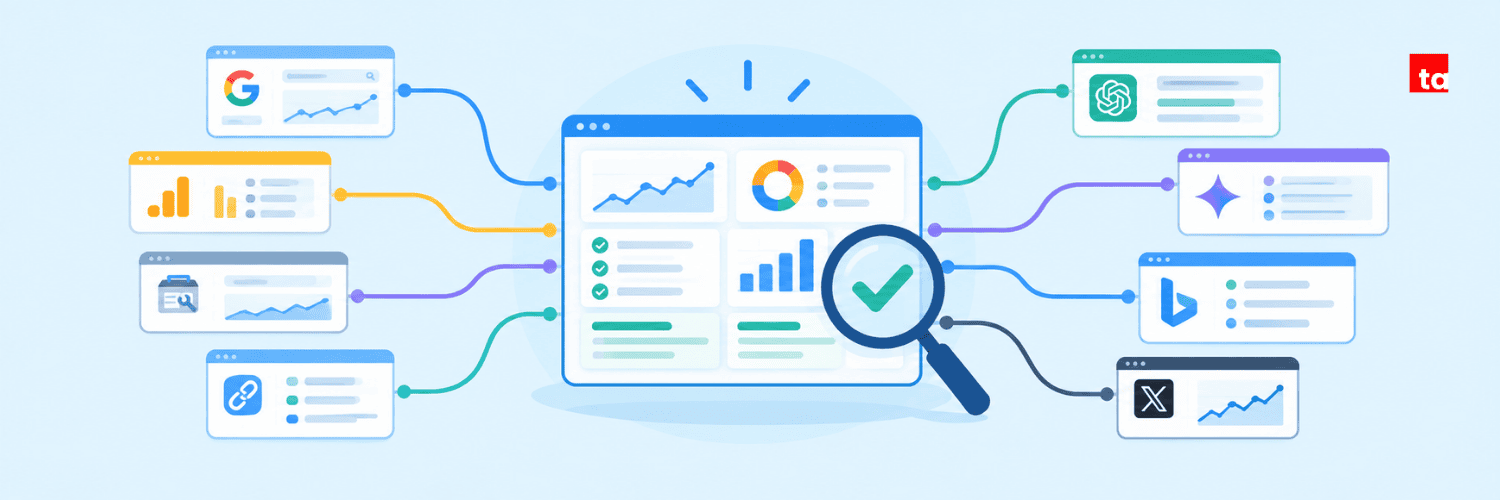
Do you know how we actually do it, sprint by sprint?
Talk to us over a Google Meet or a Coffee and let's audit exactly where your business is invisible right now.
The Buzzword Called Lead Generation and Why Your Business Needs It Now
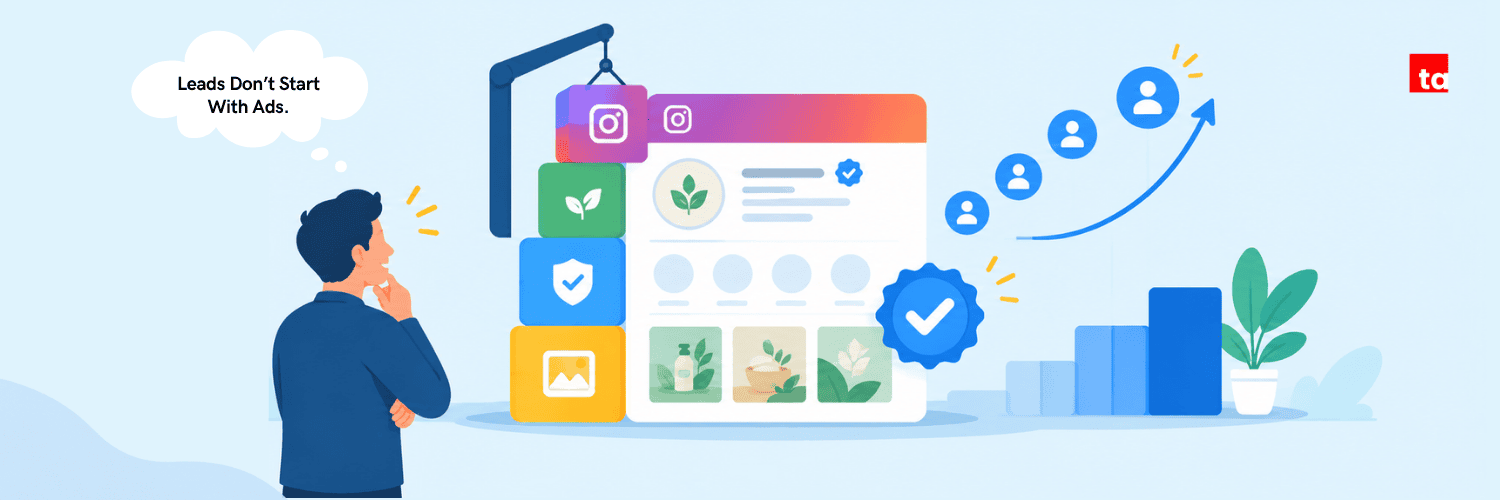
Lead generation isn't a one-ad miracle. See how building trust first turned a nutraceutical brand's campaign into real, qualified leads.
Ranking on Google Used to Be Enough. Now There's a Second Game: GEO.
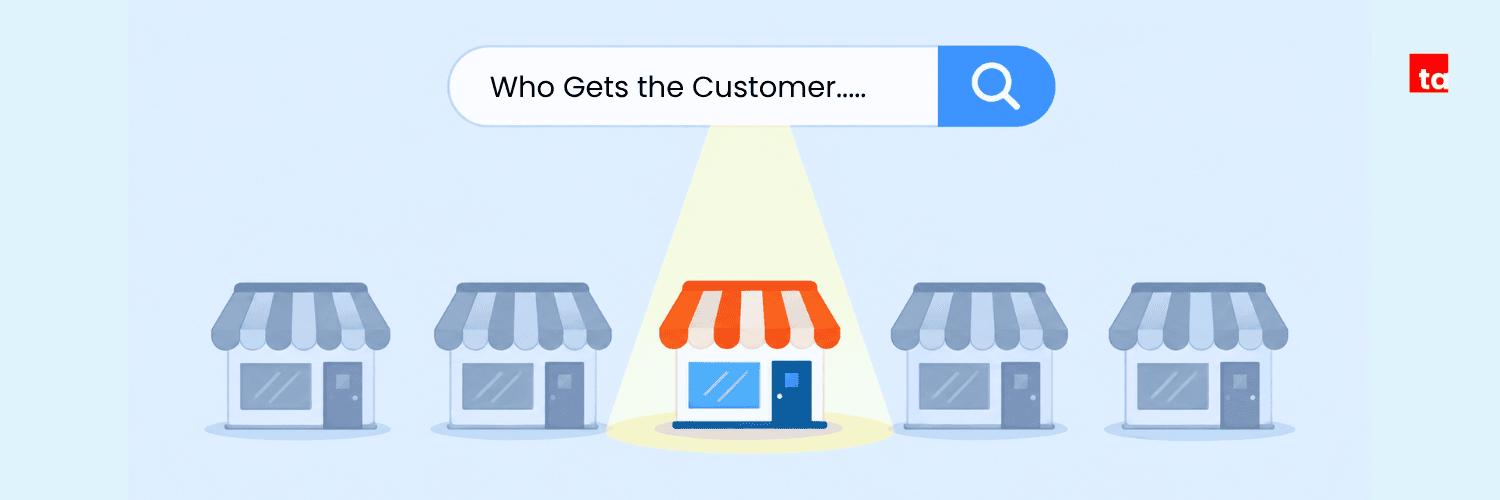
Ranking on Google used to be enough. Now ChatGPT and AI assistants decide too. Learn why GEO (Generative Engine Optimization) is the visibility game your business can't afford to skip.
The Brand Discovery Questionnaire: How to Uncover What Your Business Actually Stands For
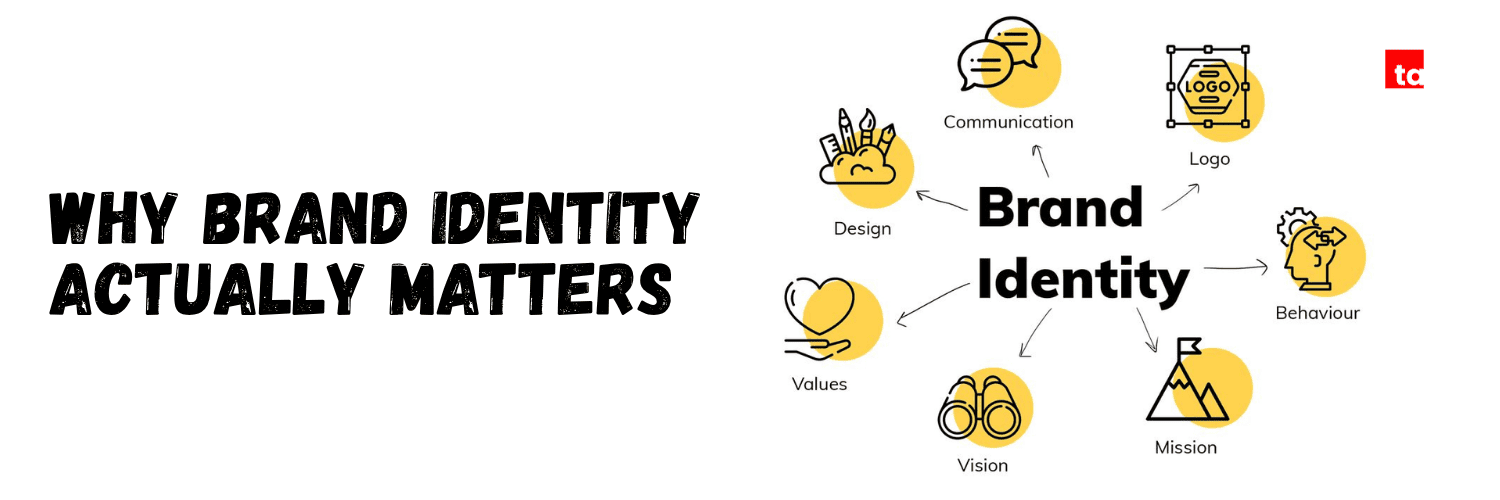
Founders and Entrepreneurs live so deep inside their product that every nuance makes complete sense. Uncover how to translate your internal vision into instant customer clarity.
Marketing-Agency-Mysore: Why Local Expertise Beats Bangalore Templates

Mysuru is scaling fast — 4X city expansion, ₹80,000 Cr in investment. See why local businesses need a Mysuru-based marketing agency, not a Bangalore template.
Zoho-Powered Marketing: How CRM Automation Transforms Local Lead Generation

Struggling with lead leakage? See how Zoho CRM automation helps Mysuru businesses capture every Google Ads, Meta & WhatsApp lead — with real ROI data.
Social Media Management 101 for Local Businesses

Chasing viral trends isn't a strategy. See how structured social media management helps Mysore businesses build real, lasting local trust.